


🎉 The History of New Year’s Eve and New Year’s Day
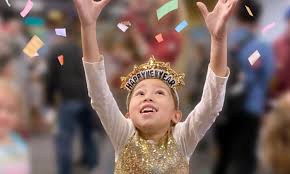
Every year on December 31st, people around the world celebrate New Year’s Eve, and the very next day they welcome New Year’s Day. These celebrations often include fireworks, countdowns, special meals, and promises for the year ahead. But where did these traditions come from? The history of New Year’s celebrations goes back thousands of years.
The first known New Year celebrations began more than 4,000 years ago in ancient Mesopotamia, an area that is now part of the Middle East. The people there celebrated the New Year in the spring, when crops began to grow again. This made sense because spring symbolized new life and fresh beginnings. Their celebration lasted many days and included feasts, music, and religious ceremonies.
Later, the ancient Romans changed how the New Year was celebrated. In 46 BCE, the Roman leader Julius Caesar introduced a new calendar, known as the Julian calendar. He declared that the New Year would begin on January 1st. This date was chosen to honor Janus, the Roman god of beginnings and transitions. Janus was often shown with two faces—one looking back at the past year and one looking forward to the future. This idea still connects closely to how we think about the New Year today.
During the Middle Ages, New Year’s celebrations changed again. In some parts of Europe, the New Year was celebrated on different dates, such as March 25th. Over time, January 1st became more widely accepted, especially after the Gregorian calendar was introduced in 1582. This is the calendar many countries still use today.
New Year’s Eve traditions developed as people began gathering the night before January 1st to say goodbye to the old year. Fireworks became popular because loud noises and bright lights were believed to scare away bad luck. The countdown to midnight became a fun way to mark the exact moment the New Year begins.
One common New Year tradition is making New Year’s resolutions. This tradition started long ago when people promised the gods they would behave better in the coming year. Today, people make promises to themselves, such as being kinder, learning new skills, or staying healthy.
Around the world, New Year celebrations look different, but the meaning is often the same. In some countries, people eat special foods for luck. In others, they wear certain colors or clean their homes to prepare for a fresh start.