
By: Dr. John Lahr, DeltaVision
April is recognized nationwide as Sports Eye Safety Month, a timely reminder that while sports provide incredible physical, social and emotional benefits, they also come with risks that many athletes and parents overlook: eye injuries.
Each year in the United States, more than 30,000 sports-related eye injuries occur, according to the American Academy of Ophthalmology. The encouraging news is that about 90% of these injuries are preventable with proper protective eyewear.
Sports Eye Injuries Are Common
Sports and recreational activities account for roughly one-quarter of all pediatric eye injuries, according to the International Sports Vision Association.
When we look at the sports most commonly associated with these injuries, the list includes activities many families participate in every day. Basketball leads the way, with 55% of eye care providers reporting injuries from the sport, followed closely by baseball at 53%. Racquet sports, football, soccer, hockey and even water sports also contribute to the total.
In many cases, these injuries occur during routine play, often from accidental contact with a ball, racquet, elbow or finger.
Types of Sports Eye Injuries
One of the most frequently treated sports eye injuries is a corneal abrasion, which is essentially a scratch on the surface of the eye. While it may sound minor, a corneal abrasion can be quite painful and may lead to infection if untreated. Symptoms often include eye pain, watering, redness, blurred vision and sensitivity to light. Many patients describe the sensation as feeling like something is stuck in the eye.
Another serious concern is blunt trauma, which can occur when the eye is struck by sports equipment or another player. This can lead to bleeding inside the eye, known as hyphema. Without prompt treatment, the resulting pressure and inflammation can cause permanent vision damage.
In rare but severe cases, trauma can lead to retinal detachment, a condition where the retina separates from the back of the eye. This painless condition can progress quickly and may cause permanent vision loss if not treated immediately. Warning signs include flashes of light, sudden floaters or shadows in the peripheral vision.
Regular Eyewear Isn’t Enough
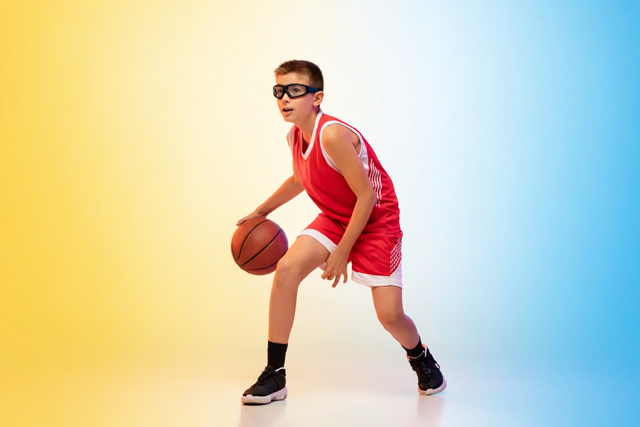
Standard eyewear is not designed to withstand high-impact sports activity and may even shatter upon impact, potentially causing additional injury. Instead, athletes should wear sports-specific protective eyewear made from polycarbonate lenses, which are significantly stronger and more impact-resistant.
For the best protection, athletes should look for ASTM-approved sports goggles, which meet impact standards specifically designed for athletic use. These goggles are available for sports like basketball, soccer, baseball and racquet sports and can be customized with prescription lenses if needed.
Eye Protection Is for Every Athlete
Protective eyewear isn’t just for athletes who wear glasses or contacts. In fact, 81% of eye doctors say all children should wear protective eyewear during sports, regardless of whether they need vision correction.
The reason is simple: eye injuries often happen in fast-moving situations where reaction time is limited. A stray ball, accidental elbow or quick collision can happen in a split second.
The right eyewear acts as a shield, absorbing the impact and preventing direct contact with the eye.
Eye Safety in the Water
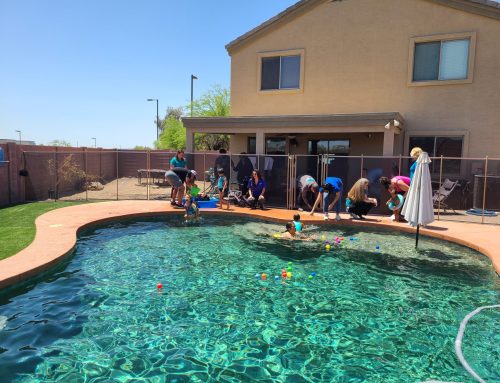
Sports eye safety also extends beyond the court and field to the pool and ocean. Swimming can cause irritation when chlorine or saltwater washes away the protective tear film on the eye’s surface.
Wearing swim goggles helps keep chemicals and saltwater out of the eyes, reducing redness and irritation. It is also important to remove contact lenses before swimming, as they can trap bacteria and increase the risk of infection.
After swimming, gently rinsing the eyes with fresh water can help wash away any lingering irritants.
Just as helmets protect the head and mouth guards protect teeth, protective eyewear protects the eyes, and it only takes one accident to cause lasting damage. Protecting vision should be part of every athlete’s routine.
Dr. John Lahr is the medical director at EyeMed Vision Care, which administers Delta Dental of Arizona’s DeltaVision plans, and almost 50 years of experience in eye care delivery and vision care.